Understanding Volatility in Cryptocurrency
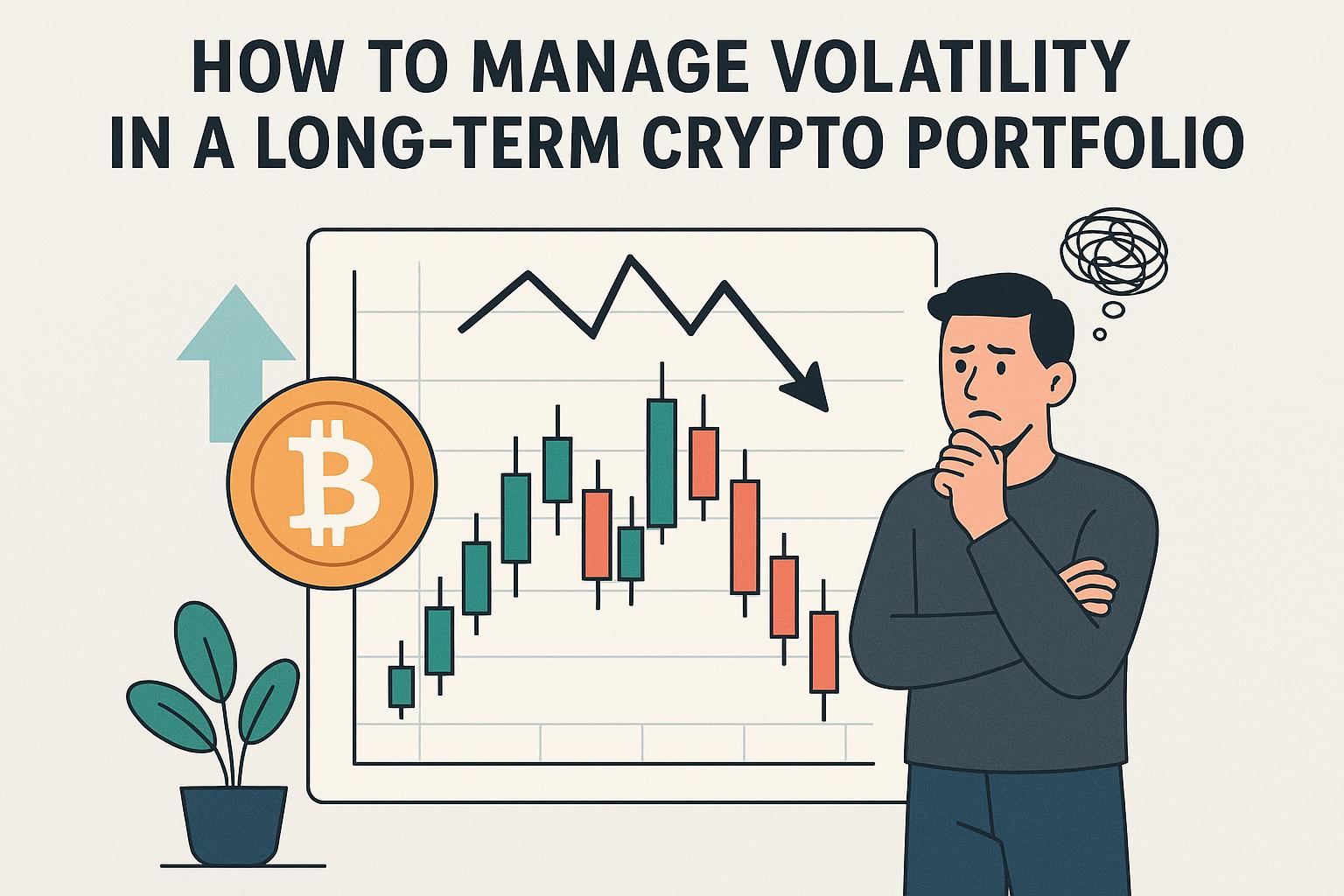
Cryptocurrency markets are widely recognized for their pronounced and persistent volatility. Volatility refers to the degree and speed at which the price of an asset fluctuates over time. In the context of digital assets, these movements can be substantial within short periods, sometimes occurring within hours or even minutes. This characteristic distinguishes cryptocurrencies from many traditional financial instruments such as bonds or large-cap equities, which typically experience comparatively moderate price swings.
Several structural factors contribute to this volatility. Cryptocurrency markets operate continuously, without closing hours, which allows prices to adjust instantly to global developments. Liquidity varies significantly across different tokens, and lower liquidity can amplify price swings when large trades occur. In addition, the market is influenced by technological updates, regulatory decisions, macroeconomic changes, investor sentiment, and speculative activity. Because cryptocurrencies are still relatively young compared to traditional asset classes, valuation models remain less standardized, further contributing to price variability.
While volatility introduces opportunities for significant returns, it simultaneously increases exposure to losses. For long-term investors, understanding volatility is not merely an academic exercise; it is a practical necessity. Rather than attempting to eliminate volatility, which is not feasible, investors can develop strategies to manage its impact. A well-designed long-term portfolio acknowledges the presence of fluctuations and incorporates frameworks to withstand them.
Market Dynamics and Drivers of Price Fluctuations
The behavior of cryptocurrency markets is shaped by a combination of supply and demand forces, technological innovation, regulatory developments, and broader economic conditions. Unlike traditional commodities, most cryptocurrencies have predetermined issuance schedules encoded in their protocols. For instance, some assets feature capped supplies, while others employ inflationary or deflationary mechanisms. These design elements influence market expectations and long-term scarcity.
Regulatory updates also play a significant role. Announcements regarding taxation, compliance requirements, exchange oversight, or legal recognition of digital assets can shift prices rapidly. Since different jurisdictions approach regulation differently, global investors must monitor multiple regulatory environments simultaneously. Even rumors or preliminary policy discussions can affect short-term market behavior.
Technological developments contribute further complexity. Network upgrades, protocol changes, security breaches, and scalability solutions often alter perceptions of a project’s viability. In decentralized ecosystems, governance decisions by token holders may influence protocol direction. These factors collectively shape investor confidence and expectations, which in turn drive price movements.
Importance of Research and Diversification
Given the inherent uncertainty of cryptocurrency markets, thorough research is essential before allocating capital. Sound research involves evaluating both quantitative and qualitative factors. This includes examining a project’s technological foundation, utility, governance framework, competitive landscape, and adoption metrics. A digital asset that lacks a clear use case or sustainable ecosystem may face long-term challenges regardless of short-term speculation.
Diversification is another foundational principle in portfolio management. By spreading investments across multiple assets, investors reduce exposure to risks associated with any single project or sector. In cryptocurrency markets, diversification may involve holding a combination of established assets, such as Bitcoin and Ethereum, alongside selected alternative tokens with different use cases. These use cases can include decentralized finance applications, smart contract platforms, privacy-focused networks, or infrastructure solutions.
Diversification within cryptocurrency can also extend beyond token selection. Some investors balance holdings between spot assets, staking positions, and exposure to blockchain-related equities. While diversification does not eliminate risk, it can moderate the overall impact of adverse performance from a single asset.
Research Tips
Conducting effective research requires systematic evaluation rather than reliance on social media momentum or informal recommendations. Reviewing project documentation, including technical whitepapers and development roadmaps, can clarify the objectives and feasibility of a cryptocurrency initiative. These documents typically outline the protocol’s intended functionality, consensus mechanism, token economics, and governance structure.
Monitoring development activity can provide additional insight. Active repositories, frequent updates, and transparent communication channels often indicate ongoing commitment from the development team. Equally important is assessing the credibility and background of the leadership team and advisors. Professional track records in relevant fields, such as cryptography, distributed systems, or financial services, may enhance project reliability.
Staying informed about market news and regulatory developments is another critical component. Policy announcements, technological breakthroughs, or macroeconomic events can materially influence digital asset prices. Relying on established financial reporting and official communications reduces the likelihood of acting on misinformation.
Utilizing Dollar-Cost Averaging
Dollar-cost averaging (DCA) is a disciplined investment approach in which a fixed amount of capital is allocated at predetermined intervals, regardless of prevailing market prices. Instead of attempting to optimize entry points based on short-term forecasts, investors commit to consistent participation over time. This strategy is particularly relevant in volatile markets, where precise timing is difficult even for experienced participants.
By distributing purchases across multiple periods, DCA reduces the risk of investing a large sum immediately before a price decline. When prices fall, the fixed investment amount acquires a greater number of units; when prices rise, it acquires fewer units. Over extended time frames, this process can moderate the average acquisition cost and smooth exposure to abrupt price shifts.
Why DCA Works
The effectiveness of DCA is grounded in behavioral and mathematical principles. From a behavioral perspective, it removes the pressure associated with predicting short-term price movements. Investors are less likely to delay participation while waiting for perceived optimal conditions. From a mathematical standpoint, periodic purchases distribute entry points across various market cycles, potentially lowering the average cost per unit in fluctuating environments.
Although DCA does not guarantee profit and may underperform lump-sum investing during consistently rising markets, it provides structure and risk mitigation in uncertain conditions. For long-term investors who prioritize gradual accumulation over speculation, DCA can support portfolio stability.
Setting Realistic Expectations
Establishing realistic expectations is a fundamental step in managing a long-term crypto portfolio. Cryptocurrency markets have historically experienced multi-year cycles characterized by expansion and contraction phases. During expansion periods, rapid appreciation can create perceptions of sustained upward momentum. Conversely, contraction phases may involve extended price declines and reduced trading activity.
Investors should recognize that past performance does not ensure future outcomes. High historical returns are often accompanied by equally substantial drawdowns. Assessing personal risk tolerance is therefore critical. Risk tolerance depends on factors such as income stability, investment horizon, financial obligations, and psychological comfort with price fluctuations.
Clear goal setting provides additional structure. Investors may define objectives in terms of long-term wealth accumulation, portfolio diversification, or exposure to emerging technologies. Establishing predefined criteria for rebalancing or profit-taking can prevent impulsive decisions during periods of heightened volatility. A disciplined strategy, consistently applied, often produces more stable outcomes than reactive trading based on short-term developments.
Utilizing Secure Storage Solutions
Security is a central concern in cryptocurrency ownership. Unlike traditional banking systems, blockchain networks typically place responsibility for asset custody directly on the user. Control over digital assets is governed by private keys, which function as cryptographic proof of ownership. If these keys are lost or compromised, recovery may be impossible.
Hardware wallets are widely regarded as one of the most secure storage solutions available to individual investors. These devices store private keys offline, reducing exposure to internet-based threats. By isolating sensitive credentials from network-connected systems, hardware wallets mitigate risks associated with malware, phishing, and exchange breaches.
Software wallets and exchange-based custody solutions also exist, each with varying risk profiles. While exchange accounts provide convenience and liquidity, they introduce counterparty risk. If an exchange experiences operational failure or security breaches, users may face delays or losses. For long-term holdings, many investors prefer self-custody solutions that provide direct control over private keys.
Best Practices for Security
Implementing layered security measures enhances overall protection. Enabling two-factor authentication (2FA) adds an additional verification step beyond passwords. This feature, when properly configured using authentication applications rather than SMS verification, can reduce unauthorized access risks.
Maintaining secure backups of recovery phrases or private keys is equally important. These backups should be stored offline in secure physical locations resistant to damage or unauthorized access. Distributing backups across multiple secure locations may further mitigate risks associated with theft or natural disasters.
Regularly updating wallet software and firmware ensures compatibility with the latest security patches. Remaining vigilant against phishing attempts and fraudulent communications is also essential. Investors should verify the authenticity of websites and applications before entering sensitive information.
Regular Portfolio Review
Long-term portfolio management requires periodic evaluation. Market conditions, technological developments, and personal financial circumstances evolve over time. Conducting structured reviews allows investors to assess whether asset allocations remain aligned with initial objectives and risk tolerance.
Rebalancing involves adjusting holdings to maintain target allocation percentages. For example, if one asset significantly outperforms others, it may represent a larger share of the portfolio than originally intended. Rebalancing can restore proportional distribution by reallocating capital. This practice may reduce concentration risk and systematically capture gains from appreciated assets.
Performance evaluation should consider both absolute returns and risk-adjusted measures. Comparing portfolio performance against relevant benchmarks provides context. Investors may also evaluate metrics such as drawdown magnitude and recovery duration to assess resilience during market downturns.
Tax considerations play an additional role in portfolio adjustments. In many jurisdictions, selling digital assets triggers taxable events. Understanding local regulations can inform rebalancing decisions and prevent unintended liabilities. Maintaining detailed transaction records supports compliance and facilitates accurate reporting.
Long-Term Perspective and Strategic Discipline
Sustaining a long-term perspective is frequently cited as a core principle in managing volatile assets. Short-term price swings, while significant, may represent relatively small deviations within extended multi-year trends. Investors who focus excessively on short-term market noise may compromise broader strategic objectives.
Strategic discipline involves adhering to predefined investment guidelines. This includes maintaining allocation thresholds, practicing consistent accumulation strategies, and applying security measures rigorously. Documenting an investment framework in writing can formalize decision-making criteria and reduce the likelihood of inconsistent actions.
It is also prudent to allocate only a portion of total investable capital to cryptocurrencies, particularly given their volatility. Integrating digital assets into a diversified portfolio that may include equities, fixed income instruments, and other asset classes can enhance overall risk management. The appropriate allocation percentage depends on individual financial circumstances and objectives.
Conclusion
Managing a long-term cryptocurrency portfolio in a volatile environment requires preparation, structure, and informed decision-making. Volatility is an inherent feature of digital asset markets, driven by technological developments, regulatory changes, liquidity conditions, and evolving investor expectations. Rather than attempting to predict short-term movements, investors can focus on controllable variables such as research quality, diversification strategy, disciplined accumulation, and robust security practices.
By conducting comprehensive analysis, spreading exposure across multiple assets, applying dollar-cost averaging where appropriate, and safeguarding holdings through secure storage solutions, investors can create frameworks designed to withstand market fluctuations. Regular portfolio reviews and realistic expectation setting further support long-term stability. While no strategy eliminates risk, a structured and methodical approach improves the capacity to navigate the complex and evolving cryptocurrency landscape.
This article was last updated on: April 23, 2026