Understanding the Importance of a Crypto Watchlist
Tracking the cryptocurrency market requires consistent attention, structured observation, and the ability to process large amounts of data. Prices can change rapidly within minutes, and new projects are introduced frequently. Without a systematic approach, investors and traders may find it difficult to follow developments or react appropriately. A crypto watchlist is a practical solution to this challenge. It enables individuals to monitor selected digital assets in one place, compare their performance, and make decisions based on organized information rather than impulse.
A watchlist functions as a customized dashboard. Instead of scanning hundreds or thousands of cryptocurrencies, users narrow their focus to specific assets aligned with their strategy. This structure supports both short-term traders seeking price movements and long-term investors evaluating growth potential. By centralizing relevant data such as price, percentage change, trading volume, and market capitalization, a watchlist becomes a core analytical tool.
In addition to convenience, a watchlist encourages discipline. Cryptocurrency markets operate continuously, and emotional reactions can lead to rushed decisions. Monitoring predefined assets reduces random exploration and encourages methodical analysis. Over time, this structured monitoring improves market awareness and helps users identify patterns across different market cycles.
Setting Up a Crypto Watchlist
Creating a functional crypto watchlist begins with selecting an appropriate platform. Most cryptocurrency exchanges, portfolio tracking applications, and financial data websites offer integrated watchlist features. Before committing to a platform, users should evaluate whether it aligns with their intended use. Some platforms are designed primarily for trading and offer real-time order books and advanced charting tools. Others focus on portfolio tracking and long-term analytics.
Customization is a critical factor. A suitable watchlist platform should allow users to rearrange assets, display relevant metrics, and adjust time intervals. For example, short-term traders may prioritize hourly price changes and liquidity metrics, while long-term investors may emphasize market capitalization trends and development updates.
Another consideration is accessibility. Mobile compatibility allows users to monitor market changes in real time, while desktop interfaces often provide more comprehensive analytical tools. Synchronization across devices ensures consistent monitoring. Security is also relevant; platforms should have reliable authentication measures and a clear approach to data protection.
When setting up the watchlist, users should input assets gradually rather than populating the list with a large number of cryptocurrencies at once. An overly extensive watchlist reduces clarity and introduces unnecessary complexity. The purpose is to refine focus, not to replicate the entire market index.
Choosing Cryptocurrencies for the Watchlist
Selecting cryptocurrencies for inclusion requires analytical judgment. Investors often begin with well-established digital assets such as Bitcoin and Ethereum, which hold significant market capitalization and liquidity. These assets frequently serve as benchmarks for overall market direction. Their inclusion allows users to assess whether broader movements are influencing smaller cryptocurrencies.
Beyond large-cap coins, users may add medium- and small-cap projects that demonstrate growth potential. These assets tend to carry higher volatility but may offer substantial returns if adoption increases. When evaluating such projects, it is useful to examine development activity, use cases, partnerships, and token economics.
Trading volume is another critical factor. Assets with consistent and substantial trading volume typically offer better liquidity, which reduces the likelihood of price manipulation or slippage. Low-volume tokens may appear attractive due to significant price swings, but they often present higher execution risk.
Recent developments should also influence watchlist selection. Technological upgrades, network expansions, or adoption announcements can lead to increased investor attention. Monitoring these assets allows users to observe how markets react to new information.
Geographical and regulatory context can also matter. Some projects operate in specific jurisdictions or comply with particular regulatory frameworks. Understanding these conditions can provide insight into long-term sustainability.
Diversification
A structured watchlist benefits from diversification. Including cryptocurrencies across different categories provides a broader perspective on market conditions. Major categories may include payment-focused assets, decentralized finance tokens, infrastructure platforms, stablecoins, and governance tokens.
Payment-focused cryptocurrencies are often closely correlated with overall market sentiment. Infrastructure platforms, which enable decentralized applications and smart contracts, may reflect innovation and developer activity. Decentralized finance tokens can indicate the health of blockchain-based financial services, while stablecoins provide insight into capital flows within the digital asset ecosystem.
Diversification within a watchlist does not necessarily imply investment in each asset, but it enhances awareness. For instance, observing both volatile altcoins and relatively stable assets allows users to compare risk profiles. This comparative approach can reveal sector-specific trends or broader shifts in investor behavior.
Including assets with varying risk levels allows more balanced analysis. Large-cap assets often respond differently to macroeconomic events compared to emerging tokens. Tracking these differences improves understanding of correlation patterns and risk dispersion.
Regular Review and Updates
The cryptocurrency landscape evolves quickly. Projects may lose relevance due to technological shortcomings, regulatory challenges, or declining community support. Conversely, new projects may gain traction and deserve attention. An effective watchlist is not static; it requires regular evaluation and adjustment.
Periodic review helps maintain alignment with investment goals. For example, a trader shifting from short-term strategies to long-term accumulation may need to replace high-volatility tokens with more established assets. Reviewing performance metrics, development updates, and market position ensures that the watchlist remains meaningful.
Removing underperforming or inactive assets prevents unnecessary distraction. However, removal decisions should follow analytical reasoning rather than short-term disappointment. Evaluating whether a decline results from broader market corrections or from fundamental weaknesses is important.
Scheduling regular review intervals, such as monthly or quarterly assessments, encourages discipline. During these reviews, users may refine metrics, reorder assets based on relevance, and incorporate new evaluation criteria.
Analyzing Data and Trends
A crypto watchlist becomes significantly more valuable when paired with detailed analysis. Merely observing price changes provides limited insight. Understanding the forces behind price movements supports more accurate interpretation.
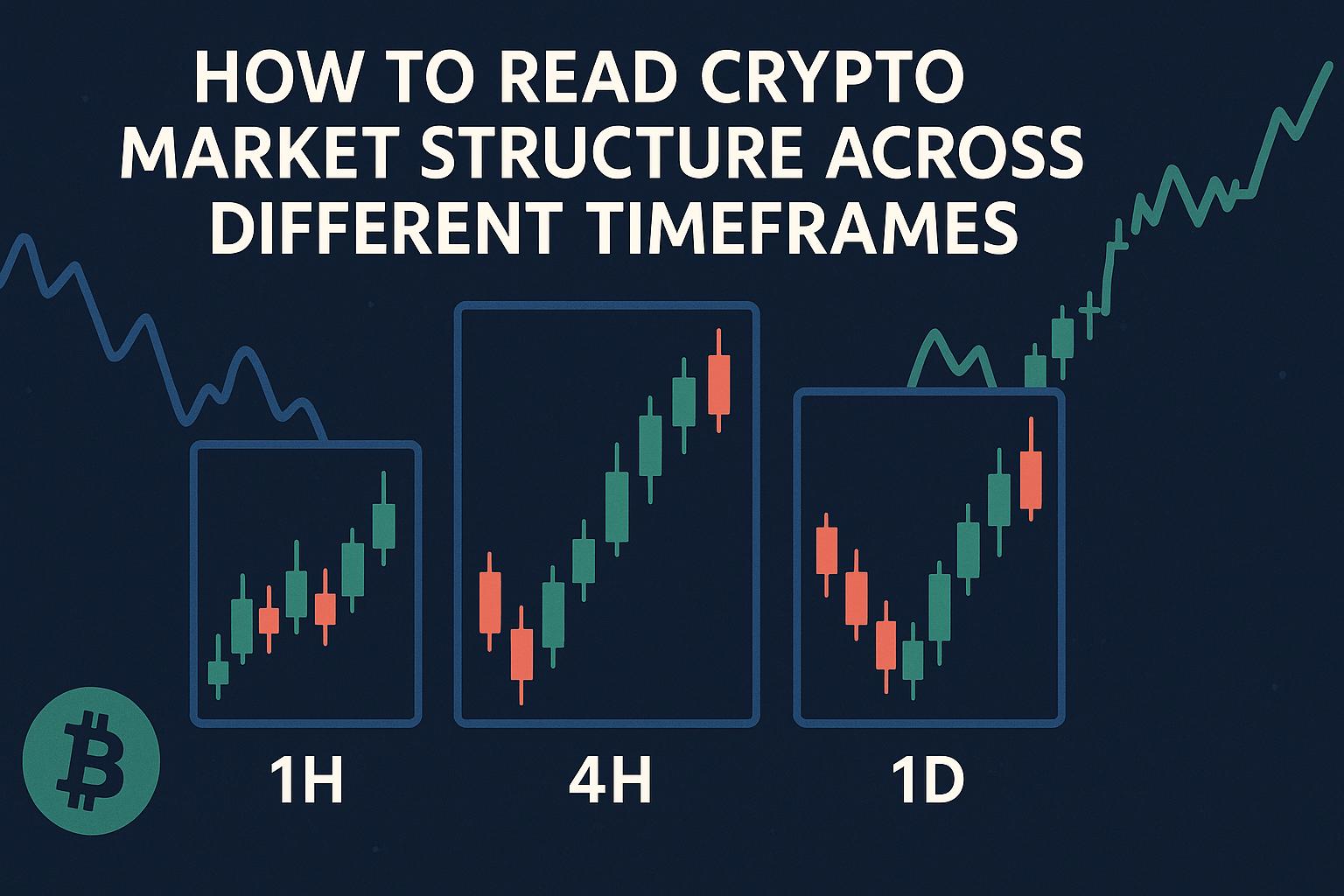
Price charts reveal trends, support and resistance levels, and historical volatility patterns. Observing daily, weekly, and monthly charts provides context for current price positions. For instance, an asset approaching a historical resistance level may face selling pressure, while trading above long-term support could indicate resilience.
Market capitalization helps contextualize growth. A small-cap token doubling in price may require significantly less capital inflow than a large-cap asset achieving the same percentage increase. Comparing market capitalization trends across assets provides a deeper understanding of relative strength.
Volume analysis often complements price changes. Rising prices accompanied by increasing trading volume may reflect strong participation, whereas price increases on low volume could suggest weak momentum. When price declines occur alongside high selling volume, it may indicate sustained downward pressure.
Indicators such as moving averages, relative strength index (RSI), and moving average convergence divergence (MACD) are commonly used for technical analysis. While not predictive in isolation, they help identify potential overbought or oversold conditions and momentum shifts. Integrating such tools into the watchlist process enhances analytical depth.
Fundamental analysis also deserves attention. Development updates, network usage metrics, staking activity, and total value locked in decentralized applications contribute to a comprehensive evaluation. Observing how these factors change over time provides a broader understanding beyond short-term market movements.
Understanding Volatility
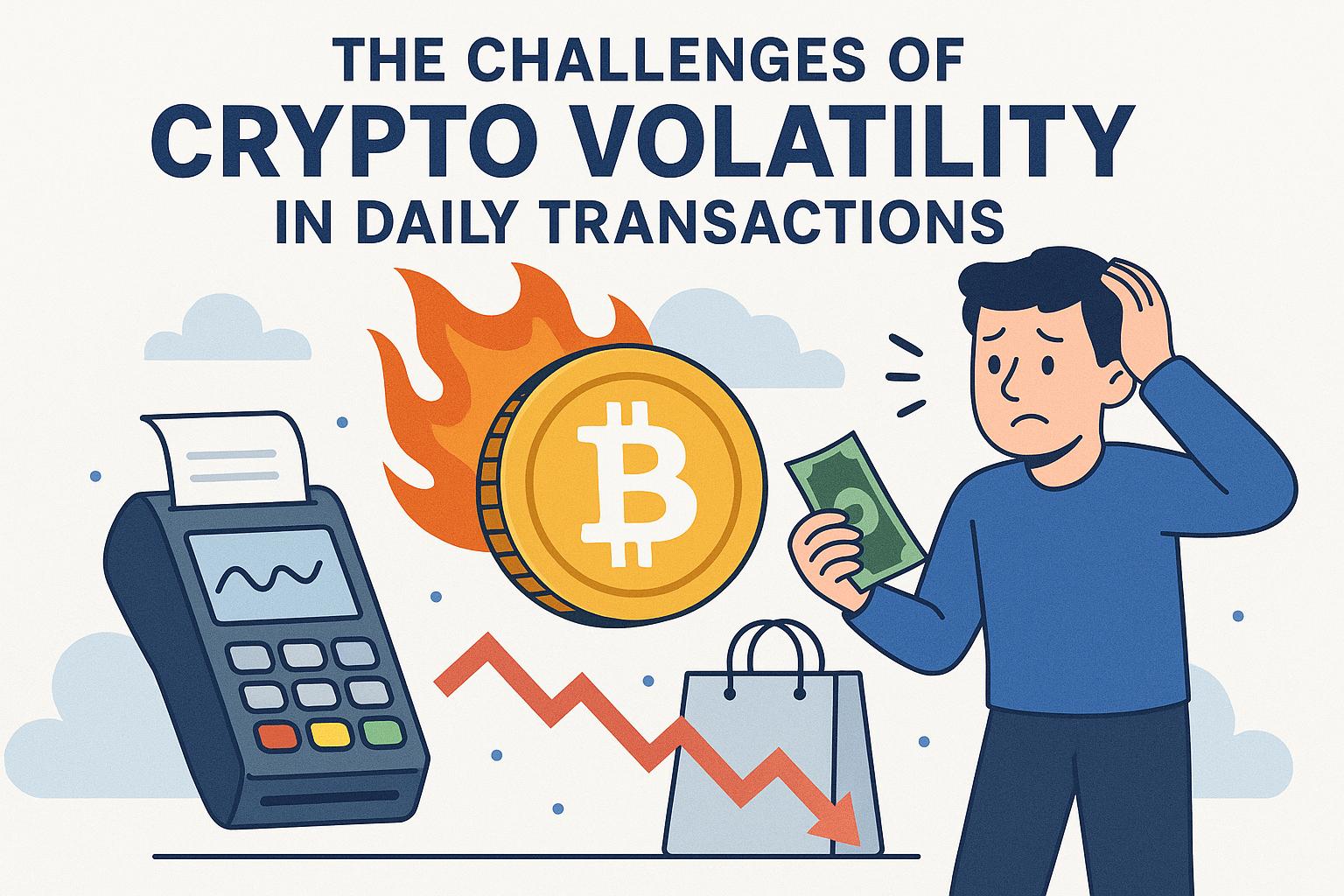
Volatility is a defining feature of cryptocurrencies. Significant percentage movements can occur within short timeframes. Monitoring volatility within a watchlist assists in evaluating risk exposure.
Historical volatility measures how much an asset’s price has fluctuated over a defined period. Comparing volatility across assets allows investors to gauge relative risk. For example, smaller tokens often display greater volatility than established cryptocurrencies.
External events frequently influence volatility. Regulatory announcements, macroeconomic policy changes, technological upgrades, and security incidents can trigger rapid price adjustments. By observing multiple assets simultaneously, users may detect whether volatility is market-wide or asset-specific.
Understanding volatility also informs position sizing and allocation decisions. Assets exhibiting consistent large swings may require smaller allocations to maintain balanced risk exposure. Conversely, lower-volatility assets might serve stabilizing functions within a portfolio.
Recognizing volatility patterns supports effective discipline. Instead of reacting to rapid price movements, watchlist monitoring allows users to place changes within historical context.
Tracking Market Sentiment
Market sentiment reflects collective attitudes toward specific cryptocurrencies or the broader digital asset market. While difficult to quantify precisely, sentiment analysis can provide valuable insights.
Price momentum often correlates with sentiment shifts. Rising prices frequently coincide with optimistic commentary and increased social media engagement, while declining markets may generate skepticism. Integrating sentiment awareness into watchlist observation helps interpret price dynamics.
Monitoring discussions across forums, regulatory developments reported in news outlets, and commentary from industry participants offers additional perspective. While speculative opinions should be approached carefully, consistent patterns in discourse may indicate shifts in perception.
Sentiment indicators can include funding rates in derivatives markets, which may reflect bullish or bearish positioning. Elevated funding rates sometimes suggest excessive optimism, whereas negative rates can indicate widespread caution.
Incorporating sentiment into watchlist analysis encourages a balanced approach. Rather than relying exclusively on chart patterns, users consider the broader environment influencing market participants.
Making Informed Investment Decisions
An organized watchlist and systematic analysis support informed decision-making. Clear criteria for entry and exit should accompany each monitored asset. Establishing predefined thresholds reduces emotional reactions and improves consistency.
Investors often determine entry points based on support levels, fundamental milestones, or valuation assessments. Exit strategies may include profit targets, risk tolerance thresholds, or changes in fundamental outlook. Documenting these criteria enhances accountability and reduces impulsive actions.
Observing correlations among assets can also inform decisions. For example, if smaller tokens consistently move in response to Bitcoin’s price changes, understanding this relationship can shape timing strategies. Correlation analysis reduces surprises and highlights potential systemic influences.
Patience is important in this context. Watchlists allow users to observe assets over extended periods before committing capital. By monitoring price consolidation phases, breakout attempts, or stabilization after corrections, users gain clearer signals.
Risk Management
Risk management is central to cryptocurrency investing due to market unpredictability. A watchlist assists by continuously displaying relevant information that affects exposure levels.
Position sizing ensures that no single asset disproportionately affects overall portfolio performance. Determining allocation percentages before entering a trade supports balanced exposure. Monitoring these allocations over time helps maintain discipline.
Stop-loss orders are commonly used to limit downside risk. By predetermining acceptable loss thresholds, investors reduce the likelihood of emotionally driven decisions during market downturns. Similarly, setting take-profit targets formalizes gain realization.
Diversification across asset categories can reduce concentrated risk. Stablecoins may provide temporary refuge during high-volatility periods, while exposure to infrastructure tokens may offer long-term growth alignment. Observing performance differences within the watchlist helps identify potential rebalancing needs.
Risk assessment should also account for liquidity conditions and exchange reliability. Assets traded on multiple reputable platforms typically present lower transactional risk than those available on limited venues.
Staying Updated
Continuous education is fundamental in the rapidly evolving cryptocurrency sector. Technological advancements, regulatory frameworks, and macroeconomic developments influence digital asset markets. Regularly reviewing reputable research, market reports, and official project communications enhances analytical accuracy.
Economic indicators such as interest rate decisions, inflation trends, and geopolitical developments can affect investor risk appetite. Observing how cryptocurrencies respond to broader financial conditions strengthens contextual understanding.
Participating in informed discussions and reviewing technical documentation may further refine decision-making. As decentralized finance protocols, layer-two solutions, and interoperability platforms advance, understanding their mechanics becomes increasingly relevant.
A watchlist serves as the structural foundation for this ongoing learning process. By maintaining updated asset selections and analytical metrics, users convert information into actionable insights.
Utilizing a crypto watchlist effectively establishes a structured approach to navigating digital asset markets. Through careful selection, diversification, data analysis, and disciplined risk management, investors and traders create a consistent framework. Rather than reacting impulsively to rapid market movements, they rely on organized monitoring and informed evaluation. Over time, this systematic process enhances clarity, promotes rational decision-making, and supports sustained engagement within the cryptocurrency ecosystem.
This article was last updated on: May 8, 2026