Understanding the Basics of Altcoin Analysis
Altcoin analysis requires a comprehensive approach that extends well beyond social media buzz and short-term market enthusiasm. The term altcoin generally refers to any cryptocurrency other than Bitcoin, encompassing a wide range of projects with differing technical foundations, governance structures, and economic models. Because of this diversity, evaluating altcoins demands a structured and disciplined framework. Investors and analysts must consider technological architecture, economic incentives, governance design, regulatory exposure, and market behavior in combination rather than isolation.
A rigorous analysis begins with a solid understanding of blockchain technology and decentralized systems. Without this foundation, it becomes difficult to distinguish between meaningful innovation and superficial variation. Blockchains operate through distributed ledgers maintained by networks of nodes that validate and record transactions according to predefined consensus mechanisms. Variations in these mechanisms, and in the layers built upon them, form the basis for differentiation among altcoins. Therefore, a methodical evaluation requires attention to infrastructure, incentives, user adoption, and ecosystem growth.
Technological Assessment
An altcoin’s underlying technology is central to its viability and competitive resilience. Blockchain networks differ in consensus algorithms, throughput capacity, latency, decentralization levels, and security assumptions. Understanding whether an altcoin relies on Proof of Work, Proof of Stake, delegated consensus, Byzantine Fault Tolerance variants, or hybrid mechanisms provides insight into trade-offs concerning energy use, transaction speed, and attack resistance.
Scalability is one of the core technological concerns. Analysts should examine how the network handles increased transaction volume and user activity. Some projects emphasize on-chain scaling through larger block sizes or higher throughput protocols, while others leverage off-chain solutions such as rollups, sidechains, or state channels. It is important to evaluate whether the scaling approach is theoretically sound and practically demonstrated under real-world loads.
Security is another essential factor. Reviewing a project’s history of vulnerabilities, network outages, or exploit events helps establish a pattern of operational stability. The presence of regular third-party audits, active bug bounty programs, and transparent vulnerability disclosures reflects mature security practices. Conversely, unresolved technical flaws or vague technical documentation may signal systemic weakness.
Efficiency encompasses more than processing speed. It includes the cost of running validator nodes, network synchronization requirements, and hardware accessibility. Protocols designed with excessive resource demands may unintentionally centralize network control among a small set of well-funded participants. The balance between performance and decentralization is therefore a fundamental consideration.
Whitepapers, technical specifications, and open-source repositories should be reviewed to understand architectural decisions and development activity. A technically robust altcoin typically presents detailed documentation that explains design trade-offs and outlines measurable performance benchmarks. Code repositories can reveal the frequency of updates, contributor diversity, and issue resolution timelines. This level of transparency supports informed evaluation rather than reliance on promotional claims.
Utility and Use Case
The utility of an altcoin is often the most direct indicator of its long-term relevance. A blockchain token should serve a clearly defined purpose within its ecosystem. This may involve facilitating decentralized finance transactions, supporting digital identity systems, powering decentralized storage solutions, or enabling governance voting rights. The question to examine is whether the token is essential to the protocol’s functioning or merely an interchangeable asset.
A strong use case addresses a distinct and persistent problem. Analysts should identify the specific inefficiencies, cost burdens, or trust limitations the altcoin seeks to resolve. The existence of a practical application does not automatically ensure success; implementation feasibility and user demand are equally critical. An altcoin designed for enterprise supply chain management, for example, must demonstrate integration pathways with existing enterprise systems and regulatory compliance mechanisms.
Network effects play a significant role in utility evaluation. The more developers building on a platform and the more users transacting within an ecosystem, the stronger the reinforcement of the token’s utility. Analysts should observe whether decentralized applications are actively deployed and whether transaction volume reflects genuine usage rather than speculative movement.
Token economics also shape utility. Supply distribution, issuance schedules, token burn mechanisms, and reward allocation structures determine how value circulates within the system. A clear economic model aligns incentives among validators, developers, and end users. Disproportionate allocations to insiders or unclear emission policies can undermine long-term equilibrium.
Team and Development Community
A capable development team and an engaged community contribute significantly to sustainability. Background evaluations should focus on technical expertise, industry experience, and previous projects completed by key contributors. Transparent disclosure of leadership and advisory members enhances accountability. Anonymous development teams are not uncommon in cryptocurrency, but reduced transparency increases due diligence requirements.
In addition to founders, the broader developer ecosystem matters. A decentralized project ideally supports contributions from independent programmers across multiple jurisdictions. GitHub activity, discussion forums, and improvement proposal systems can provide measurable insights into ongoing engagement. Declining activity or prolonged stagnation may indicate reduced innovation capacity.
Community involvement extends beyond development. Validators, liquidity providers, third-party auditors, and educational contributors strengthen a project’s infrastructure. Forums and governance participation rates can indicate whether community members are engaged in shaping the network’s future. However, visible participation should be distinguished from coordinated marketing activity. Authentic engagement is typically associated with substantive technical or governance discussions rather than repetitive promotional messaging.
Market Performance and Metrics
Quantitative indicators contribute another dimension to analysis. Market capitalization reflects the aggregate market valuation of a token, calculated as circulating supply multiplied by price. While larger capitalization often suggests broader recognition, it does not guarantee stability or growth potential. Micro-cap tokens may experience significant volatility, whereas large-cap tokens may face slower growth due to market maturity.
Trading volume is a measure of liquidity and interest. Consistent and distributed trading volume across reputable exchanges suggests active participation. Low liquidity can result in wider spreads and increased susceptibility to price manipulation. Analysts should also assess concentration risk, such as whether substantial portions of supply are held by a limited number of addresses.
Historical price performance provides context for understanding volatility patterns. Sudden spikes in price without corresponding technological developments or ecosystem growth may indicate speculative momentum. Long-term price trends aligned with measurable network metrics, such as transaction growth or staking participation, may present a more coherent narrative.
On-chain data offers additional depth. Metrics such as active addresses, transaction counts, staking ratios, and token velocity can reveal patterns of network engagement. For proof-of-stake networks, the percentage of tokens staked indicates participants’ confidence in governance and long-term holding behavior. High staking participation may contribute to network security, although excessively concentrated validator control introduces governance risk.
Regulatory Environment
The regulatory landscape significantly influences altcoin viability. Different jurisdictions classify digital assets under varying legal frameworks, including securities regulation, commodity treatment, or payment instrument categories. Compliance obligations may include registration requirements, reporting standards, and anti-money laundering measures.
Projects operating across borders must navigate complex regulatory heterogeneity. Analysts should review public statements from regulatory bodies, enforcement precedents, and the project’s compliance disclosures. Stable relationships with licensed exchanges and public acknowledgment of legal counseling can signal awareness of regulatory responsibilities.
Changes in regulation can directly affect token functionality. For example, restrictions on staking services or limitations on exchange listings can reduce participation and liquidity. Conversely, regulatory clarity may foster institutional involvement and infrastructure development. Evaluating legal risk involves examining both current compliance and the project’s adaptability to evolving frameworks.
Comparative Analysis
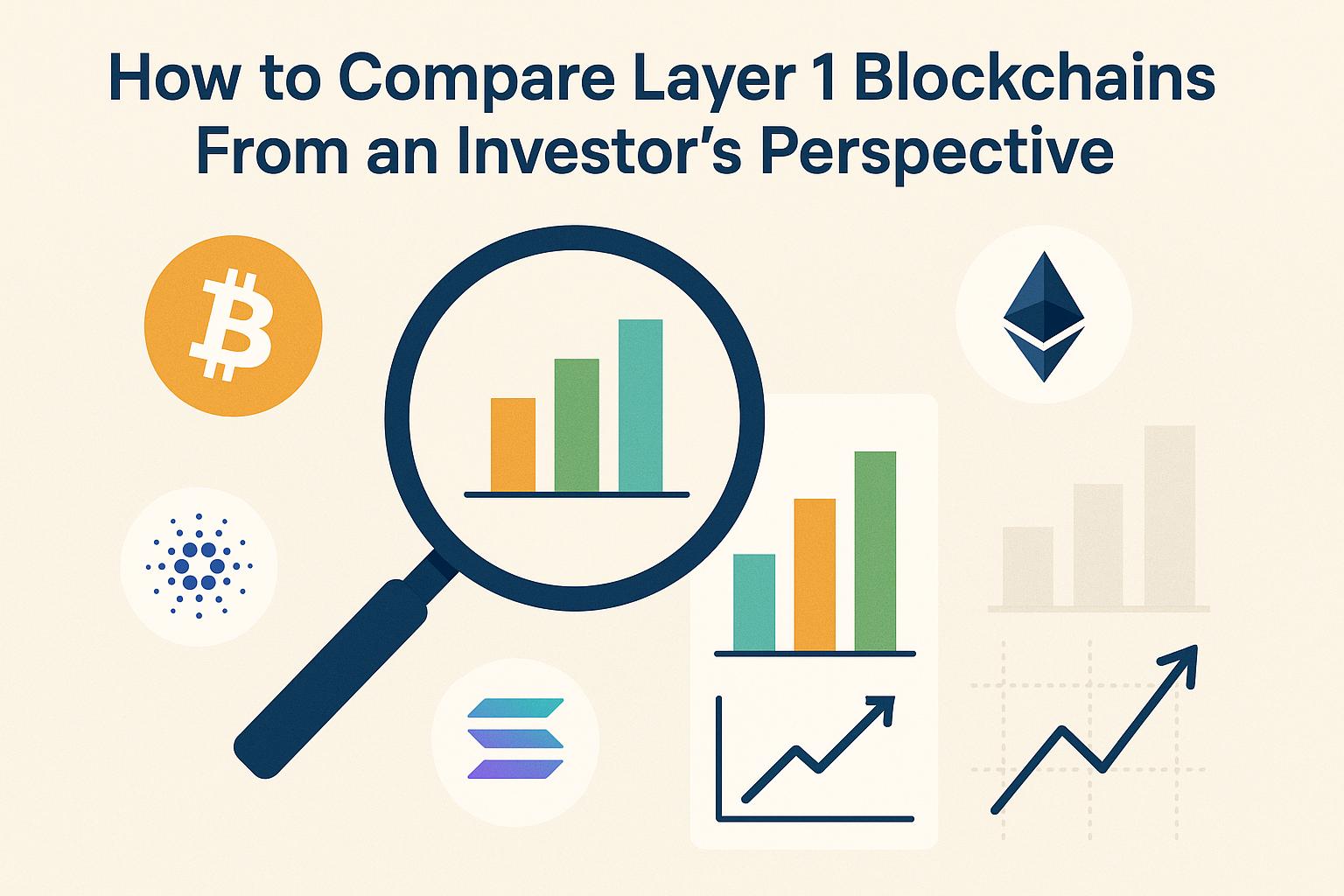
Engaging in a comparative analysis situates an altcoin within its competitive landscape. Many projects operate within similar sectors, such as decentralized finance platforms, interoperability protocols, privacy-focused currencies, or smart contract platforms. Comparing consensus mechanisms, transaction throughput, transaction fees, ecosystem breadth, and governance structures provides perspective on relative advantages.
Distinctive features require critical scrutiny. A feature marketed as innovative should be assessed in terms of implementation feasibility and actual adoption. Benchmarking against established competitors highlights whether the altcoin meaningfully advances technical capability or merely replicates existing solutions.
Market position is also comparative. Metrics such as total value locked in decentralized applications, developer counts, and cross-chain integrations can reveal leadership or lagging status within a sector. Competitive analysis should consider barriers to entry and switching costs for users and developers. Protocols that enable seamless migration from competitors may face intense rivalry, whereas those with unique infrastructure or network effects may enjoy defensibility.
Long-Term Viability
Assessing long-term viability requires projecting sustainability beyond immediate market cycles. This involves evaluating governance mechanisms, financial reserves, emission schedules, and adaptability to technological shifts. A clearly defined roadmap with measurable milestones demonstrates strategic planning. Updates to the roadmap and transparent reporting of progress enhance credibility.
Governance models influence a protocol’s responsiveness. On-chain voting systems, delegated governance, or foundation-led structures each present trade-offs in efficiency and decentralization. Effective governance requires not only formal procedures but also active participation and constructive debate. Concentrated voting power may simplify decision-making but can reduce legitimacy and resilience.
Financial sustainability depends on funding structures. Treasury systems supported by protocol fees, block rewards, or pre-allocated reserves should demonstrate prudent management. Rapid depletion of development funds without corresponding revenue streams raises concerns about continuity. Analysts should review public treasury reports, expenditure allocations, and financial audits when available.
Technological evolution also shapes longevity. The blockchain sector develops rapidly, introducing innovations in scalability, interoperability, zero-knowledge proofs, and data availability solutions. Altcoins that integrate modular upgrade frameworks or maintain flexible architecture are better positioned to incorporate advancements. Projects with rigid structures may encounter obsolescence if unable to adapt.
Environmental considerations have gained importance as well. Networks reliant on energy-intensive mechanisms may face policy scrutiny or social pressure. Transition strategies, such as migration to less resource-intensive consensus models, reflect forward-looking planning.
Risk Analysis and Due Diligence Practices
Altcoin evaluation should incorporate structured risk analysis. Technical risk involves software vulnerabilities, flawed consensus logic, and integration errors. Economic risk includes misaligned incentives, excessive token inflation, and unstable fee markets. Market risk arises from liquidity constraints and speculative volatility. Regulatory and operational risks complete the spectrum.
Due diligence practices involve independent verification of claims. Reading primary technical documents, examining smart contract code where feasible, and reviewing independent research publications provide a stronger foundation than relying on summaries. Participation in governance discussions or community forums can also reveal the seriousness of engagement among stakeholders.
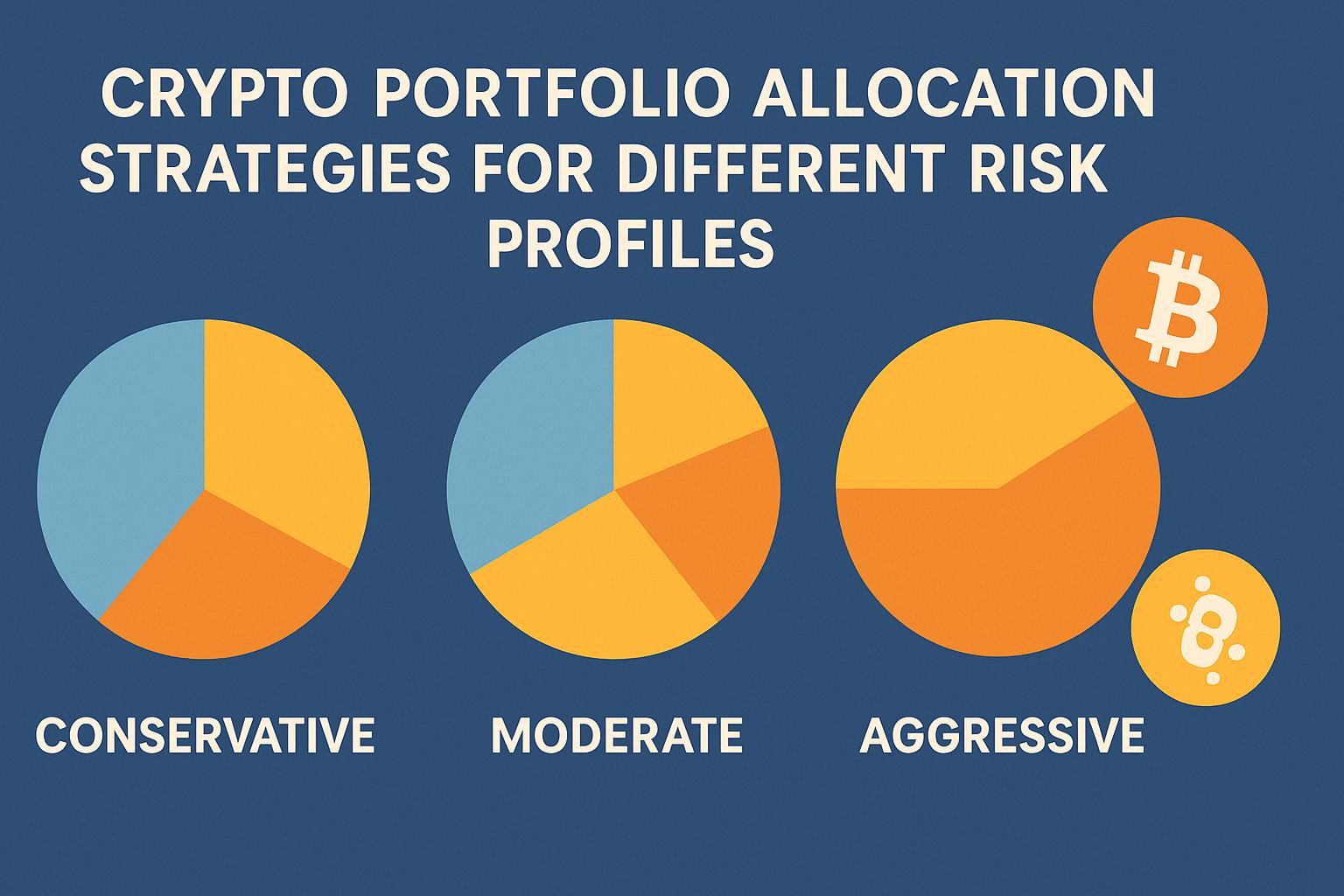
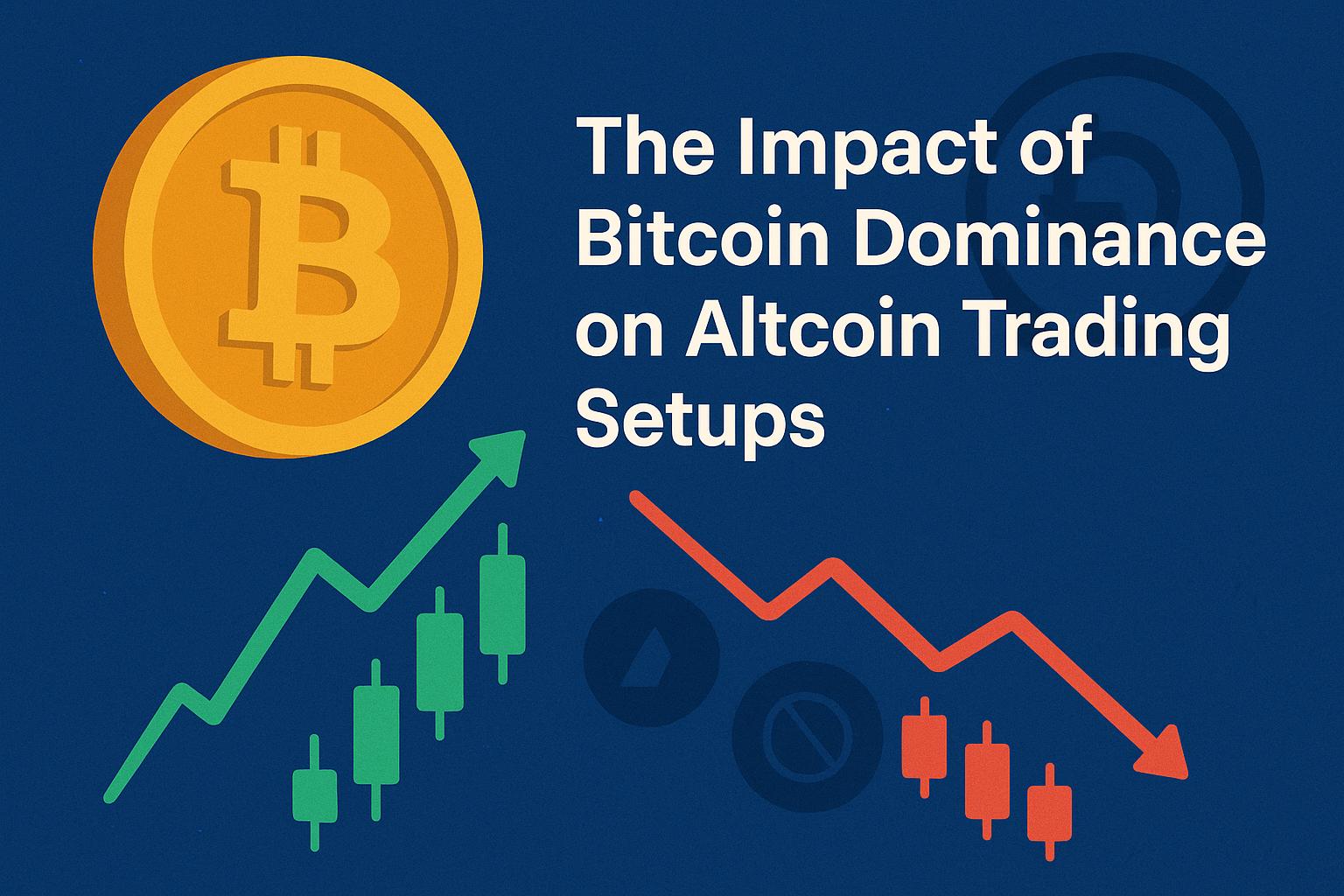
Portfolio allocation decisions should integrate correlation analysis. Some altcoins closely track the price movements of dominant cryptocurrencies, while others exhibit partial independence due to sector-specific developments. Understanding correlation patterns contributes to balanced risk exposure.
Conclusion
Effective altcoin analysis extends beyond surface-level narratives and short-term market signals. A structured framework incorporates technological examination, utility evaluation, governance assessment, market metrics, regulatory context, and comparative positioning. Each element contributes to a multi-dimensional understanding of an altcoin’s potential strengths and vulnerabilities.
By emphasizing transparent documentation, measurable data, and sustainable development practices, analysts can differentiate substantive projects from temporary market phenomena. The dynamic nature of blockchain technology requires ongoing reassessment, as innovations, regulations, and user behavior continuously reshape the landscape. A disciplined and evidence-based approach supports informed decision-making within this evolving sector.
This article was last updated on: August 5, 2026